EN
EN ESPAñOL
 GALEGO
 PORTUGUéS
 ITALIANO
 DEUTSCHE
 FRANçAIS
Choosing the right workwear goes beyond comfort. In the industrial sector, it’s a matter of safety. To ensure compliance with essential requirements, there is a strict regulation that applies depending on the industrial context in which one is working. And on these matters, Vesin are experts.
In this guide, we will explore what type of clothing is necessary depending on the sector and what are the general requirements that must be met according to European regulations.
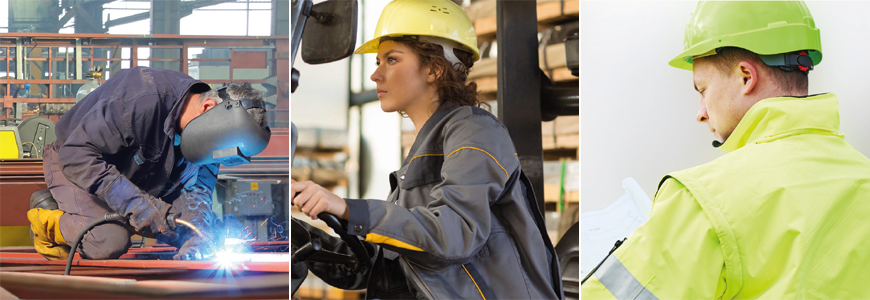
How to know what type of workwear you need?
The selection of appropriate workwear depends on various circumstances such as the type of work to be carried out, the particular risks of each job, and compliance with the required regulations. At this point, we could say that there are two types of workwear:
Multi-norm articles
This type of workwear must comply with the specific regulation indicated on the garment itself by a pictogram. It is usually common in:
Multisectoral articles
All these garments comply with the European standard ISO 13688. It covers both clothing for specific professions and mixed professions:

What general requirements does industrial protective clothing have?
The European protective standard EN-13688 sets out the requirements for ergonomics, ageing, sizes, and protection marking for clothing designed to protect workers against one or more hazards. However, for each type of adversity, a specific standard is established. For example:

You can now order industrial workwear from Vesin on Rodavigo
If you are thinking of purchasing workwear, you should know that we have incorporated the Vesin digital catalogue on our website. It is therefore a good time to order it through us.
If you need further technical information on this type of product, we also have the Vesin PDF catalogue available on our B2B portal.
If you have any questions, please do not hesitate to contact us via our contact form, email and telephone number.